Buy pfirsich.eu ?
We are moving the project
pfirsich.eu .
Are you interested in purchasing the domain
pfirsich.eu ?
domain@kv-gmbh.de · 0541-91531010
Buy pfirsich.eu ?
Is the Dalai Lama the successor of Buddha and how can Buddha and the Dalai Lama be compared?
The Dalai Lama is not considered the successor of Buddha in the same way that a religious leader might succeed another in a hierarchical structure. The Dalai Lama is the spiritual leader of Tibetan Buddhism and is believed to be the reincarnation of the previous Dalai Lama. Buddha, on the other hand, is the historical figure who founded Buddhism and is considered the ultimate spiritual teacher and guide. Buddha and the Dalai Lama can be compared in their teachings and embodiment of Buddhist principles such as compassion, wisdom, and non-violence. Both are revered for their commitment to spreading the message of peace and inner transformation. While Buddha is the historical figure who founded Buddhism, the Dalai Lama is a prominent figure in the modern practice and propagation of the religion. **
Where is the difference between Jesus and Buddha?
One key difference between Jesus and Buddha is their teachings and beliefs. Jesus is considered the central figure of Christianity and is believed to be the son of God who came to Earth to save humanity from sin. On the other hand, Buddha, also known as Siddhartha Gautama, is the founder of Buddhism and is not considered a deity but rather a spiritual teacher who sought enlightenment and taught the path to end suffering. Additionally, Jesus' teachings often focus on concepts such as love, forgiveness, and salvation, while Buddha's teachings revolve around the Four Noble Truths and the Eightfold Path to achieve enlightenment and liberation from suffering. **


Similar search terms for The-Buddha-and-the
Top-Angebote
Products related to The-Buddha-and-the:
-
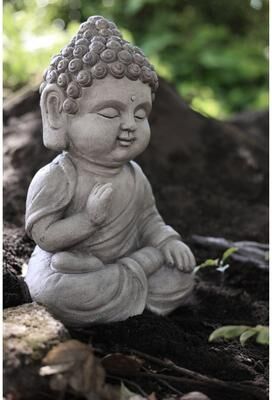
Kodotan sofa Magnesium Oxide Buddha Statue Weatherproof Buddha Sculpture Outdoor Garden Courtyard Decor OrnamentMade from high-quality magnesium oxide in a single-piece cast, it is sturdy yet lightweight, waterproof, freeze-resistant, and UV-resistant.147,49 $*Shipping: 0,00 $Secure redirect to the provider



-
What is the difference between Jesus and Buddha?
Jesus and Buddha were both influential spiritual leaders, but there are some key differences between their teachings and beliefs. Jesus is considered the central figure in Christianity and is believed to be the Son of God who came to Earth to save humanity from sin. His teachings focus on love, forgiveness, and the importance of faith in God. Buddha, on the other hand, is the central figure in Buddhism and is not considered a deity. His teachings focus on the Four Noble Truths and the Eightfold Path, which emphasize the nature of suffering and the path to enlightenment through self-awareness and mindfulness. While both figures preached compassion and moral living, their teachings and the way they are worshipped differ significantly. **
-
What are the differences and similarities between Jesus and Buddha?
Jesus and Buddha are both revered as spiritual teachers and founders of major world religions, Christianity and Buddhism, respectively. Both figures emphasized love, compassion, and the importance of inner peace. However, there are also significant differences between them. For example, Jesus is considered by Christians to be the Son of God and the savior of humanity, while Buddha is seen as a human being who achieved enlightenment through his own efforts. Additionally, their teachings and the way they are worshipped differ greatly, with Jesus being central to Christian theology and Buddha being venerated as a teacher and guide in Buddhism. **
-
What is the difference between the thin and the thick Buddha?
The thin Buddha and the thick Buddha are two different representations of the same figure in Buddhist iconography. The thin Buddha, also known as the "ascetic Buddha," depicts Siddhartha Gautama during his years of extreme asceticism before attaining enlightenment. This representation emphasizes his emaciated and skeletal appearance. In contrast, the thick Buddha, also known as the "laughing Buddha" or "fat Buddha," depicts a jolly and rotund figure, symbolizing happiness, contentment, and abundance. While the thin Buddha represents the period of intense self-denial and spiritual seeking, the thick Buddha represents the joy and fulfillment that comes with enlightenment. **
-
Who is Buddha?
Buddha, also known as Siddhartha Gautama, was a spiritual leader and teacher who lived in ancient India around the 6th century BCE. He is the founder of Buddhism, a major world religion that emphasizes the pursuit of enlightenment and the cessation of suffering. Buddha is revered as a wise and compassionate figure who achieved enlightenment and taught others how to find inner peace and liberation from the cycle of birth, death, and rebirth. His teachings, known as the Dharma, continue to inspire millions of people around the world to this day. **


What is the seated position and body language of the Buddha?
The seated position of the Buddha is typically in a cross-legged posture, with one foot resting on top of the opposite thigh. This position is known as the lotus position or the half-lotus position. The body language of the Buddha is often depicted as calm, serene, and meditative, with the hands placed in specific mudras or gestures that symbolize different aspects of enlightenment and teachings. The posture and body language of the Buddha are meant to convey a sense of inner peace, mindfulness, and spiritual enlightenment. **
What is the resurrection of the Buddha?
The resurrection of the Buddha refers to his attainment of Nirvana, which is the ultimate goal in Buddhism. It is believed that after his death, the Buddha achieved complete enlightenment and liberation from the cycle of birth and rebirth. This event is seen as a spiritual rebirth rather than a physical resurrection, symbolizing the Buddha's transcendence of suffering and his teachings on the path to enlightenment. Buddhists commemorate this event with various rituals and celebrations, emphasizing the significance of the Buddha's teachings in guiding followers towards spiritual awakening. **
Top-Angebote
Products related to The-Buddha-and-the:
-
The Buddha and the Badass: The Secret Spiritual Art of Succeeding at Work by Vishen LakhianiDescription. The Code of the Extraordinary Team is a call to action for business leaders or anyone who aspires to be one. Corporate pioneer Vishen Lakhiani reveals the revolutionary culture-hacking formula he used to grow Mindvalley, his burgeoning personal development business that went from $700 into a $50 Million business with zero funding. It's a clearly defined, five-step process that can transform your company into a magnet for the world's top talent, create a growth-centric culture, and engineer an environment of symbiotic co-creation, where the balance of autonomy, collaboration, and connection breeds happy, productive teams. You'll learn: -How to attract the right people: Focus not on hiring into specific roles, but hiring people who fit the culture you're trying to build. -How to create a motivated, inspired work culture: Vishen shares the four emotions that are dominant across all people looking for jobs so you can hire the right people. -How to create a culture where employees live better lives outside of work: Vishen shares his theory that we should work for the minimum effective dose--working harder, not longer, taking advantage of short spikes of energy to get a lot done. -How to coax the leadership instinct in your people: You should want your employees to be so good that they eventually leave you! -How to prepare for the future of work: What will the workplace look like when AI and robots replace employees and universal income is implemented?This is a guide to transforming your beliefs and habits to realize happiness, achieve success, and fulfill your purpose, using the exact strategies Lakhiani used to fuel Mindvalley's explosive growth.. Title. The Buddha and the Badass: The Secret Spiritual Art of Succeeding at Work by Vishen Lakhiani. Delivery. Content. Reviews14,40 £*Shipping: 2,99 £Secure redirect to the provider
-
The Code of the Extraordinary Mind & The Buddha and the Badass 2 Books Collection Set by Vishen Lakhiani - Non Fiction - HardcoverTitles in This Set:. The Code of the Extraordinary Mind: 10 Unconventional Laws to Redefine Your Life and Succeed on Your Own Terms. The Buddha and the Badass: Reengineering Work Culture to Unlock Happiness, Productivity, and Success: The Secret Spiritual Art of Succeeding at Work Condition: BRAND NEW. Format: Hardcover. ISBN: 970593135822 9781984823397 Overview:. This compact, powerful collection brings together two transformational books from Vishen Lakhiani, a trailblazer in personal growth and conscious leadership. The Code of the Extraordinary Mind invites you to rethink nearly every assumption you hold about success, happiness, and how a life should be lived. It presents 10 unconventional laws that encourage readers to question tradition, design life on their own terms, and learn to bend the rules we’ve been handed. The Buddha and the Badass shifts focus from inner exploration to outer impact—showing how to reengineer work culture, cultivate happiness, and boost productivity by aligning spiritual awareness with practical leadership. Together, these hardcover titles offer a cohesive blueprint: master your mindset and translate that mastery into meaningful, measurable results at work. This set is ideal for readers seeking actionable wisdom, a refreshed approach to ambition, and a whole-person path to success. What Makes This Collection Special:. What makes this two-book collection truly valuable is how seamlessly it connects inner growth with external achievement. The Code of the Extraordinary Mind breaks down the mental barriers that keep people “stuck,” while The Buddha and the Badass translates those insights into workplace strategies—cultivating happier teams, clearer priorities, and sustainable high performance. The pairing suits readers who want a holistic growth journey: mindset work that informs leadership decisions, culture-first management, and practical tools that can be implemented immediately. With a single purchase you get a coherent, high-impact reading experience designed to accelerate personal transformation and professional impact, whether you’re climbing the career ladder or building a new venture from scratch. Books Included in This Collection:. The Code of the Extraordinary Mind: 10 Unconventional Laws to Redefine Your Life and Succeed on Your Own Terms. This book invites you to challenge the “brules”—the rules that keep us living by others’ standards. It blends philosophy, practical exercises, and real-world case studies to help you design a life aligned with your deepest values. Expect a blend of cognitive science, spirituality, and street-smart strategies that encourage experimentation, redefining success, and cultivating a personal framework for happiness. The hardcover edition offers durable, reader-friendly layout and a toolbox of ideas you can apply the day you finish the chapter. It’s ideal for ambitious readers craving a fresh, unapologetic approach to growth.. The Buddha and the Badass: Reengineering Work...99,99 £*Shipping: 0,00 £Secure redirect to the provider
-
Is the Dalai Lama the successor of Buddha and how can Buddha and the Dalai Lama be compared?
The Dalai Lama is not considered the successor of Buddha in the same way that a religious leader might succeed another in a hierarchical structure. The Dalai Lama is the spiritual leader of Tibetan Buddhism and is believed to be the reincarnation of the previous Dalai Lama. Buddha, on the other hand, is the historical figure who founded Buddhism and is considered the ultimate spiritual teacher and guide. Buddha and the Dalai Lama can be compared in their teachings and embodiment of Buddhist principles such as compassion, wisdom, and non-violence. Both are revered for their commitment to spreading the message of peace and inner transformation. While Buddha is the historical figure who founded Buddhism, the Dalai Lama is a prominent figure in the modern practice and propagation of the religion. **
-
Where is the difference between Jesus and Buddha?
One key difference between Jesus and Buddha is their teachings and beliefs. Jesus is considered the central figure of Christianity and is believed to be the son of God who came to Earth to save humanity from sin. On the other hand, Buddha, also known as Siddhartha Gautama, is the founder of Buddhism and is not considered a deity but rather a spiritual teacher who sought enlightenment and taught the path to end suffering. Additionally, Jesus' teachings often focus on concepts such as love, forgiveness, and salvation, while Buddha's teachings revolve around the Four Noble Truths and the Eightfold Path to achieve enlightenment and liberation from suffering. **
-
What is the difference between Jesus and Buddha?
Jesus and Buddha were both influential spiritual leaders, but there are some key differences between their teachings and beliefs. Jesus is considered the central figure in Christianity and is believed to be the Son of God who came to Earth to save humanity from sin. His teachings focus on love, forgiveness, and the importance of faith in God. Buddha, on the other hand, is the central figure in Buddhism and is not considered a deity. His teachings focus on the Four Noble Truths and the Eightfold Path, which emphasize the nature of suffering and the path to enlightenment through self-awareness and mindfulness. While both figures preached compassion and moral living, their teachings and the way they are worshipped differ significantly. **
-
What are the differences and similarities between Jesus and Buddha?
Jesus and Buddha are both revered as spiritual teachers and founders of major world religions, Christianity and Buddhism, respectively. Both figures emphasized love, compassion, and the importance of inner peace. However, there are also significant differences between them. For example, Jesus is considered by Christians to be the Son of God and the savior of humanity, while Buddha is seen as a human being who achieved enlightenment through his own efforts. Additionally, their teachings and the way they are worshipped differ greatly, with Jesus being central to Christian theology and Buddha being venerated as a teacher and guide in Buddhism. **
Similar search terms for The-Buddha-and-the
-
Kodotan sofa Magnesium Oxide Buddha Statue Weatherproof Buddha Sculpture Outdoor Garden Courtyard Decor OrnamentMade from high-quality magnesium oxide in a single-piece cast, it is sturdy yet lightweight, waterproof, freeze-resistant, and UV-resistant.147,49 $*Shipping: 0,00 $Secure redirect to the provider
-
Kodotan sofa Oriental Zen Reclining Buddha Sculpture, 29'' Vintage Blue Porcelain Pattern Sleeping Buddha StatueThis sleeping Buddha statue features a serene peaceful facial expression, delicate carved hair curls and classic reclining pose resting its head on one palm.129,19 $*Shipping: 0,00 $Secure redirect to the provider
-
What is the difference between the thin and the thick Buddha?
The thin Buddha and the thick Buddha are two different representations of the same figure in Buddhist iconography. The thin Buddha, also known as the "ascetic Buddha," depicts Siddhartha Gautama during his years of extreme asceticism before attaining enlightenment. This representation emphasizes his emaciated and skeletal appearance. In contrast, the thick Buddha, also known as the "laughing Buddha" or "fat Buddha," depicts a jolly and rotund figure, symbolizing happiness, contentment, and abundance. While the thin Buddha represents the period of intense self-denial and spiritual seeking, the thick Buddha represents the joy and fulfillment that comes with enlightenment. **
-
Who is Buddha?
Buddha, also known as Siddhartha Gautama, was a spiritual leader and teacher who lived in ancient India around the 6th century BCE. He is the founder of Buddhism, a major world religion that emphasizes the pursuit of enlightenment and the cessation of suffering. Buddha is revered as a wise and compassionate figure who achieved enlightenment and taught others how to find inner peace and liberation from the cycle of birth, death, and rebirth. His teachings, known as the Dharma, continue to inspire millions of people around the world to this day. **
-
What is the seated position and body language of the Buddha?
The seated position of the Buddha is typically in a cross-legged posture, with one foot resting on top of the opposite thigh. This position is known as the lotus position or the half-lotus position. The body language of the Buddha is often depicted as calm, serene, and meditative, with the hands placed in specific mudras or gestures that symbolize different aspects of enlightenment and teachings. The posture and body language of the Buddha are meant to convey a sense of inner peace, mindfulness, and spiritual enlightenment. **
-
What is the resurrection of the Buddha?
The resurrection of the Buddha refers to his attainment of Nirvana, which is the ultimate goal in Buddhism. It is believed that after his death, the Buddha achieved complete enlightenment and liberation from the cycle of birth and rebirth. This event is seen as a spiritual rebirth rather than a physical resurrection, symbolizing the Buddha's transcendence of suffering and his teachings on the path to enlightenment. Buddhists commemorate this event with various rituals and celebrations, emphasizing the significance of the Buddha's teachings in guiding followers towards spiritual awakening. **
* All prices are inclusive of VAT and, if applicable, plus shipping costs. The offer information is based on the details provided by the respective shop and is updated through automated processes. Real-time updates do not occur, so deviations can occur in individual cases. ** Note: Parts of this content were created by AI.