Buy pfirsich.eu ?
We are moving the project
pfirsich.eu .
Are you interested in purchasing the domain
pfirsich.eu ?
domain@kv-gmbh.de · 0541-91531010
Buy pfirsich.eu ?
Dative or accusative?
Dative and accusative are two different cases in grammar that indicate the relationship between a verb and its object. The dative case is used to show the indirect object of a verb, while the accusative case is used to show the direct object. To determine whether to use dative or accusative, you need to consider the verb in the sentence and identify whether the object is receiving the action directly (accusative) or indirectly (dative). **
'Genitive or accusative?'
The genitive case is used to show possession or relationship between nouns, while the accusative case is used to show the direct object of a verb. In general, the genitive case is used to indicate ownership or association, while the accusative case is used to indicate the direct object of a verb or the object of a preposition. The choice between genitive and accusative depends on the specific context and the grammatical rules of the language being used. **


Similar search terms for Accusative
Top-Angebote
Products related to Accusative:
-
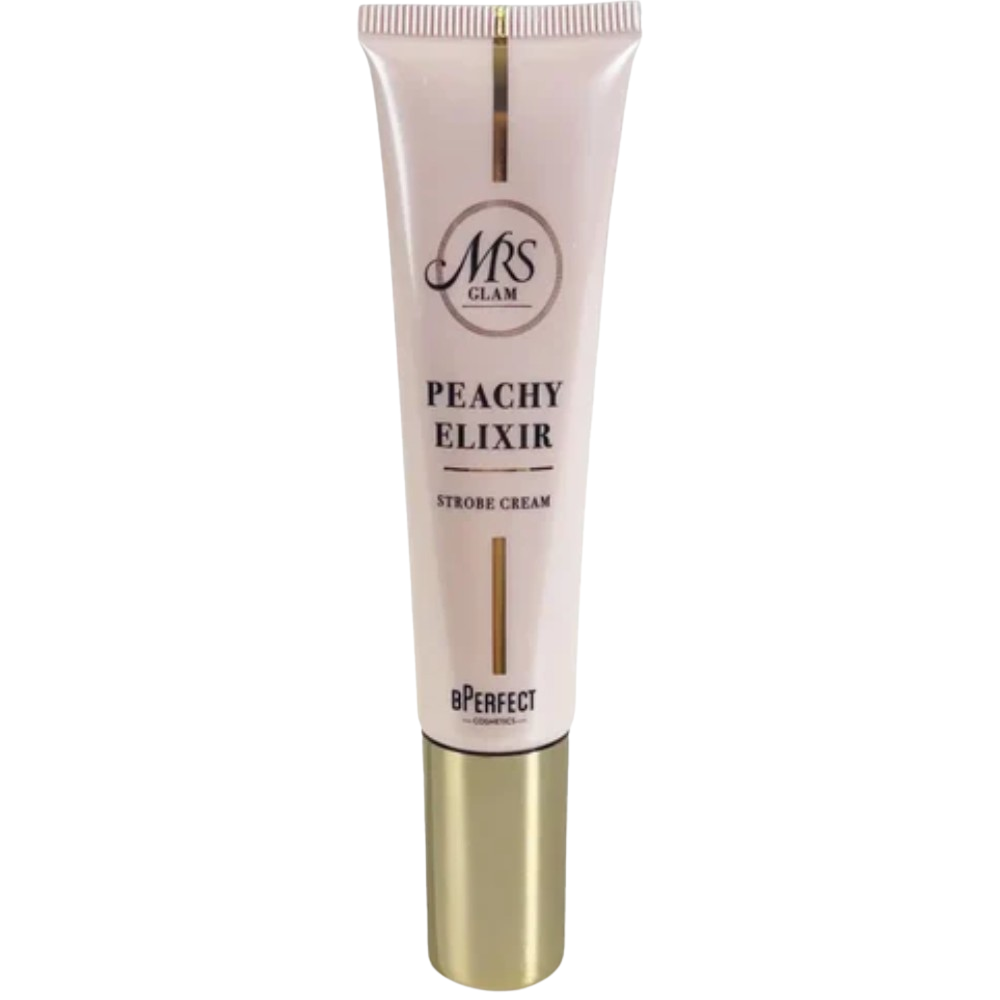
Bperfect Mrs Glam Peachy Elixir Strobe Cream for Face 35mL PeachyA foundation for dark spots and uneven skin tone. With a lightweight texture and a delightful peach scent, it effortlessly hydrates while addressing skin concerns such as dryness and uneven tone. Transform your makeup routine with a luminous glow that lasts all day. Multi-use formula: acts as a moisturiser, primer, illuminator, and highlighter.14,27 £*Shipping: 5,16 £Secure redirect to the provider
-
Juicy Couture Viva La Juicy Eau de Parfum SprayAn eau de parfum. A fragrance that brings the luxury of haute couture from the house to your daily life. The excellent combination of Vanilla notes with Caramel enpraised by sensual Amber with the notes of vibrant Berries, the sweet Honeysuckle and the irreverence and freshness of Tangerine offer this luxurious liquid a unique and irresistible fragrance.56,25 £*Shipping: 15,29 £Secure redirect to the provider
-
Juicy Couture Viva La Juicy Scented Body Lotion 250mLA body lotion. It a luxurious, hydrating lotion that absorbs instantly, creating a silky-smooth feeling on the skin while lavishing the body with the signature notes of Viva La Juicy. Instantly hydrates and nourishes the skin. Leaves a silky-smooth texture. Features the signature Viva La Juicy fragrance.29,76 £*Shipping: 6,86 £Secure redirect to the provider
-
Martina Slajerova Sweet and Savory Fat Bombs: 100 Delicious Treats for Fat Fasts - Non Fiction - PaperbackTitle:. Sweet and Savory Fat Bombs: 100 Delicious Treats for Fat Fasts Condition: BRAND NEW. Format: Paperback. ISBN: 9781592337286 Overview:. Dive into the world of ketogenic eating with "Sweet and Savory Fat Bombs: 100 Delicious Treats for Fat Fasts," a comprehensive cookbook designed to elevate your low-carb lifestyle. Authored by Lindsay A. Malone, a registered dietitian with a passion for practical nutrition, this book offers a collection of 100 easy-to-make recipes that focus on high-fat, low-calorie snacks perfect for fat fasts, ketogenic diets, Paleo plans, and anyone looking to boost their fat intake without the sugar crash. Each recipe is crafted to deliver at least 85% of its calories from healthy fats, making it an ideal tool for weight management, curbing hunger between meals, or fueling your workouts with sustained energy. The book breaks down the science behind fat bombs—those portable, nutrient-dense treats that help maintain ketosis—while providing step-by-step instructions using everyday ingredients you likely already have in your kitchen. Whether you're new to keto or a seasoned pro, this guide demystifies the process, blending sweet indulgences like chocolate-dipped coconut bombs with savory options such as herb-infused cheese balls, all while emphasizing portion control and nutritional balance. It's not just a recipe book; it's a strategic ally in your health journey, helping you shed pounds, stabilize blood sugar, and enjoy flavorful eating that aligns with your goals. With clear photography and helpful tips on preparation and storage, this paperback becomes an essential resource for transforming your snacking habits into a delicious, fat-fueled adventure, making it a smart choice for anyone seeking sustainable dietary changes in the UK market. What Makes This Book Stand Out:. What sets "Sweet and Savory Fat Bombs" apart in the crowded world of diet cookbooks is its laser-focused approach on fat bombs as a versatile tool for dietary success, blending education with accessibility to create a truly engaging read. Unlike generic recipe collections, this book delves into the specifics of how fat bombs can optimize fat intake for ketosis, offering not just recipes but also insights into their role in managing cravings and enhancing metabolic health. Lindsay A. Malone's expertise shines through in the detailed nutritional breakdowns for each recipe, helping readers understand exactly how these treats contribute to weight loss, energy levels, and overall wellness without sacrificing taste. The variety is impressive, with options that cater to different palates and occasions—think quick morning boosts or evening wind-downs—while keeping things simple with ingredients from your local supermarket. This emphasis on practicality means no fancy equipment is needed, making it ideal for busy lifestyles. Furthermore, the book's tone is approachable and empowering, encouraging readers to experiment and adapt recipes to their needs, which...7,49 £*Shipping: 2,99 £Secure redirect to the provider


-
Genitive or accusative?
The genitive case is used to show possession or relationship between nouns, while the accusative case is used to show the direct object of a verb or the object of certain prepositions. In general, the genitive case is used to indicate possession or belonging, while the accusative case is used to indicate the direct object of a verb or the object of a preposition. The choice between genitive and accusative depends on the specific context and the grammatical rules of the language being used. **
-
Whom or what accusative?
The accusative case is used to indicate the direct object of a verb in a sentence. It answers the question "whom" or "what" is receiving the action of the verb. In English, the accusative case is often marked by word order or prepositions, while in some languages, such as Latin or German, it is marked by changes in the form of the noun or pronoun. **
-
Tolerate dative or accusative?
Whether to use the dative or accusative case in German depends on the verb being used and the prepositions that accompany it. Some verbs require the dative case, such as helfen (to help) or danken (to thank), while others require the accusative case, such as sehen (to see) or essen (to eat). It is important to learn which case each verb requires in order to use the correct form in a sentence. **
-
What is a subject accusative?
A subject accusative is a linguistic phenomenon where the direct object of a verb is marked with the accusative case, typically in languages that have a nominative-accusative alignment. This can occur in languages like Latin or Greek, where the accusative case is used to mark the direct object of a transitive verb. In these cases, the subject of the sentence is in the nominative case, while the direct object takes the accusative case. **


Nominative or accusative in Latin?
In Latin, the nominative case is used for the subject of a sentence, while the accusative case is used for the direct object. The nominative case is also used for predicate nominatives, which rename the subject. The accusative case is used for nouns that receive the action of the verb. **
What is the difference between accusative and accusative object, and dative and dative object?
The accusative case is used to indicate the direct object of a verb, while the accusative object is the noun or pronoun that receives the action of the verb. For example, in the sentence "I see the dog," "the dog" is in the accusative case and is the accusative object. Similarly, the dative case is used to indicate the indirect object of a verb, while the dative object is the noun or pronoun that receives the action indirectly. For example, in the sentence "I give the book to her," "her" is in the dative case and is the dative object. **
Top-Angebote
Products related to Accusative:
-
Monika Blunder Beauty Sweet Talk Lip Gloss 4,9mL PfirsichA lip gloss. Get luscious lips with MB Sweet Talk Lip Gloss —a vegan, cruelty-free formula infused with fruit extracts for intense hydration and vibrant color. Intense hydration: Moisture-locking Fruit Extracts quench dry lips. Nourishing formula: Vitamin E Oils provide essential lip care. Silky smooth texture: Sustainable Brown Algae Oil ensures a comfortable wear.17,67 £*Shipping: 4,07 £Secure redirect to the provider
-
Gosh Juicy Lip Butter 002-Sweet TreatHealth and Beauty Lips Gosh Juicy Lip Butter 002-Sweet Treat What is Juicy Lip Butter? Juicy Lip Butter is a Gosh lip balm that's somewhere between a balm, lipstick, and gloss. It melts onto the lips like butter, leaving a translucent color with plenty of shine, but without the runny texture or sticky feel of a traditional lip gloss. Benefits Glazed effect finish: lips look juicy and luminous from the first stroke. Transparent to medium color, easy to wear without a mirror and without fear of going outside the outline. It contains nourishing oils and butters, such as shea and murumuru butter, and vitamin E , which leave lips feeling moisturized and comfortable. The manufacturer indicates a duration of up to 6 hours of comfort. Perfume-free and vegan-friendly formula, according to Gosh. Who is it for? For those who want the shine of a gloss with the convenience of a balm in stick form. It's perfect for natural makeup looks, for dry lips that don't tolerate matte lipsticks, and for anyone looking for a product for easy touch-ups throughout the day. How to apply Juicy Lip Butter? Glide the lipstick directly onto your lips with even pressure, following their natural shape. For added definition, line your lips before or after applying a lip pencil in a similar shade. For a more intense finish, apply a second coat over the first. Product use Lipstick for external use. Close the cap tightly after each use and store away from heat sources, as its buttery texture softens at high temperatures.9,54 £*Shipping: 3,99 £Secure redirect to the provider
-
Bperfect Mrs Glam Peachy Elixir Strobe Cream for Face 35mL PeachyA foundation for dark spots and uneven skin tone. With a lightweight texture and a delightful peach scent, it effortlessly hydrates while addressing skin concerns such as dryness and uneven tone. Transform your makeup routine with a luminous glow that lasts all day. Multi-use formula: acts as a moisturiser, primer, illuminator, and highlighter.14,27 £*Shipping: 5,16 £Secure redirect to the provider
-
Juicy Couture Viva La Juicy Eau de Parfum SprayAn eau de parfum. A fragrance that brings the luxury of haute couture from the house to your daily life. The excellent combination of Vanilla notes with Caramel enpraised by sensual Amber with the notes of vibrant Berries, the sweet Honeysuckle and the irreverence and freshness of Tangerine offer this luxurious liquid a unique and irresistible fragrance.56,25 £*Shipping: 15,29 £Secure redirect to the provider
-
Dative or accusative?
Dative and accusative are two different cases in grammar that indicate the relationship between a verb and its object. The dative case is used to show the indirect object of a verb, while the accusative case is used to show the direct object. To determine whether to use dative or accusative, you need to consider the verb in the sentence and identify whether the object is receiving the action directly (accusative) or indirectly (dative). **
-
'Genitive or accusative?'
The genitive case is used to show possession or relationship between nouns, while the accusative case is used to show the direct object of a verb. In general, the genitive case is used to indicate ownership or association, while the accusative case is used to indicate the direct object of a verb or the object of a preposition. The choice between genitive and accusative depends on the specific context and the grammatical rules of the language being used. **
-
Genitive or accusative?
The genitive case is used to show possession or relationship between nouns, while the accusative case is used to show the direct object of a verb or the object of certain prepositions. In general, the genitive case is used to indicate possession or belonging, while the accusative case is used to indicate the direct object of a verb or the object of a preposition. The choice between genitive and accusative depends on the specific context and the grammatical rules of the language being used. **
-
Whom or what accusative?
The accusative case is used to indicate the direct object of a verb in a sentence. It answers the question "whom" or "what" is receiving the action of the verb. In English, the accusative case is often marked by word order or prepositions, while in some languages, such as Latin or German, it is marked by changes in the form of the noun or pronoun. **
Similar search terms for Accusative
-
Juicy Couture Viva La Juicy Scented Body Lotion 250mLA body lotion. It a luxurious, hydrating lotion that absorbs instantly, creating a silky-smooth feeling on the skin while lavishing the body with the signature notes of Viva La Juicy. Instantly hydrates and nourishes the skin. Leaves a silky-smooth texture. Features the signature Viva La Juicy fragrance.29,76 £*Shipping: 6,86 £Secure redirect to the provider
-
Martina Slajerova Sweet and Savory Fat Bombs: 100 Delicious Treats for Fat Fasts - Non Fiction - PaperbackTitle:. Sweet and Savory Fat Bombs: 100 Delicious Treats for Fat Fasts Condition: BRAND NEW. Format: Paperback. ISBN: 9781592337286 Overview:. Dive into the world of ketogenic eating with "Sweet and Savory Fat Bombs: 100 Delicious Treats for Fat Fasts," a comprehensive cookbook designed to elevate your low-carb lifestyle. Authored by Lindsay A. Malone, a registered dietitian with a passion for practical nutrition, this book offers a collection of 100 easy-to-make recipes that focus on high-fat, low-calorie snacks perfect for fat fasts, ketogenic diets, Paleo plans, and anyone looking to boost their fat intake without the sugar crash. Each recipe is crafted to deliver at least 85% of its calories from healthy fats, making it an ideal tool for weight management, curbing hunger between meals, or fueling your workouts with sustained energy. The book breaks down the science behind fat bombs—those portable, nutrient-dense treats that help maintain ketosis—while providing step-by-step instructions using everyday ingredients you likely already have in your kitchen. Whether you're new to keto or a seasoned pro, this guide demystifies the process, blending sweet indulgences like chocolate-dipped coconut bombs with savory options such as herb-infused cheese balls, all while emphasizing portion control and nutritional balance. It's not just a recipe book; it's a strategic ally in your health journey, helping you shed pounds, stabilize blood sugar, and enjoy flavorful eating that aligns with your goals. With clear photography and helpful tips on preparation and storage, this paperback becomes an essential resource for transforming your snacking habits into a delicious, fat-fueled adventure, making it a smart choice for anyone seeking sustainable dietary changes in the UK market. What Makes This Book Stand Out:. What sets "Sweet and Savory Fat Bombs" apart in the crowded world of diet cookbooks is its laser-focused approach on fat bombs as a versatile tool for dietary success, blending education with accessibility to create a truly engaging read. Unlike generic recipe collections, this book delves into the specifics of how fat bombs can optimize fat intake for ketosis, offering not just recipes but also insights into their role in managing cravings and enhancing metabolic health. Lindsay A. Malone's expertise shines through in the detailed nutritional breakdowns for each recipe, helping readers understand exactly how these treats contribute to weight loss, energy levels, and overall wellness without sacrificing taste. The variety is impressive, with options that cater to different palates and occasions—think quick morning boosts or evening wind-downs—while keeping things simple with ingredients from your local supermarket. This emphasis on practicality means no fancy equipment is needed, making it ideal for busy lifestyles. Furthermore, the book's tone is approachable and empowering, encouraging readers to experiment and adapt recipes to their needs, which...7,49 £*Shipping: 2,99 £Secure redirect to the provider
-
Juicy Couture Viva La Juicy Sucrée Eau de Parfum SprayAn eau de parfum. Viva La Juicy Sucrée is a sweet dessert that combines fruits and flowers, notes of vanilla and sandalwood that overlap like the layers of a delicious cupcake. An irresistible combination of fruits and flowers with notes of vanilla and sandalwood that feels like tasting the topping of a creamy cupcake.47,53 £*Shipping: 15,29 £Secure redirect to the provider
-
Tolerate dative or accusative?
Whether to use the dative or accusative case in German depends on the verb being used and the prepositions that accompany it. Some verbs require the dative case, such as helfen (to help) or danken (to thank), while others require the accusative case, such as sehen (to see) or essen (to eat). It is important to learn which case each verb requires in order to use the correct form in a sentence. **
-
What is a subject accusative?
A subject accusative is a linguistic phenomenon where the direct object of a verb is marked with the accusative case, typically in languages that have a nominative-accusative alignment. This can occur in languages like Latin or Greek, where the accusative case is used to mark the direct object of a transitive verb. In these cases, the subject of the sentence is in the nominative case, while the direct object takes the accusative case. **
-
Nominative or accusative in Latin?
In Latin, the nominative case is used for the subject of a sentence, while the accusative case is used for the direct object. The nominative case is also used for predicate nominatives, which rename the subject. The accusative case is used for nouns that receive the action of the verb. **
-
What is the difference between accusative and accusative object, and dative and dative object?
The accusative case is used to indicate the direct object of a verb, while the accusative object is the noun or pronoun that receives the action of the verb. For example, in the sentence "I see the dog," "the dog" is in the accusative case and is the accusative object. Similarly, the dative case is used to indicate the indirect object of a verb, while the dative object is the noun or pronoun that receives the action indirectly. For example, in the sentence "I give the book to her," "her" is in the dative case and is the dative object. **
* All prices are inclusive of VAT and, if applicable, plus shipping costs. The offer information is based on the details provided by the respective shop and is updated through automated processes. Real-time updates do not occur, so deviations can occur in individual cases. ** Note: Parts of this content were created by AI.