Buy pfirsich.eu ?
We are moving the project
pfirsich.eu .
Are you interested in purchasing the domain
pfirsich.eu ?
domain@kv-gmbh.de · 0541-91531010
Buy pfirsich.eu ?
What is clinical symptomatology?
Clinical symptomatology refers to the signs and symptoms that a patient presents with during a medical evaluation. These symptoms are subjective experiences reported by the patient, such as pain, fatigue, or dizziness. Signs, on the other hand, are objective findings that can be observed or measured by a healthcare provider, such as a rash, fever, or abnormal heart sounds. Together, the symptoms and signs help healthcare providers make a diagnosis and develop a treatment plan for the patient. **
What is a retinal image?
A retinal image is the image formed on the retina at the back of the eye. It is created when light enters the eye and is focused by the cornea and lens onto the retina, where it is converted into electrical signals that are sent to the brain via the optic nerve. The brain then interprets these signals to create the visual perception of the world around us. **
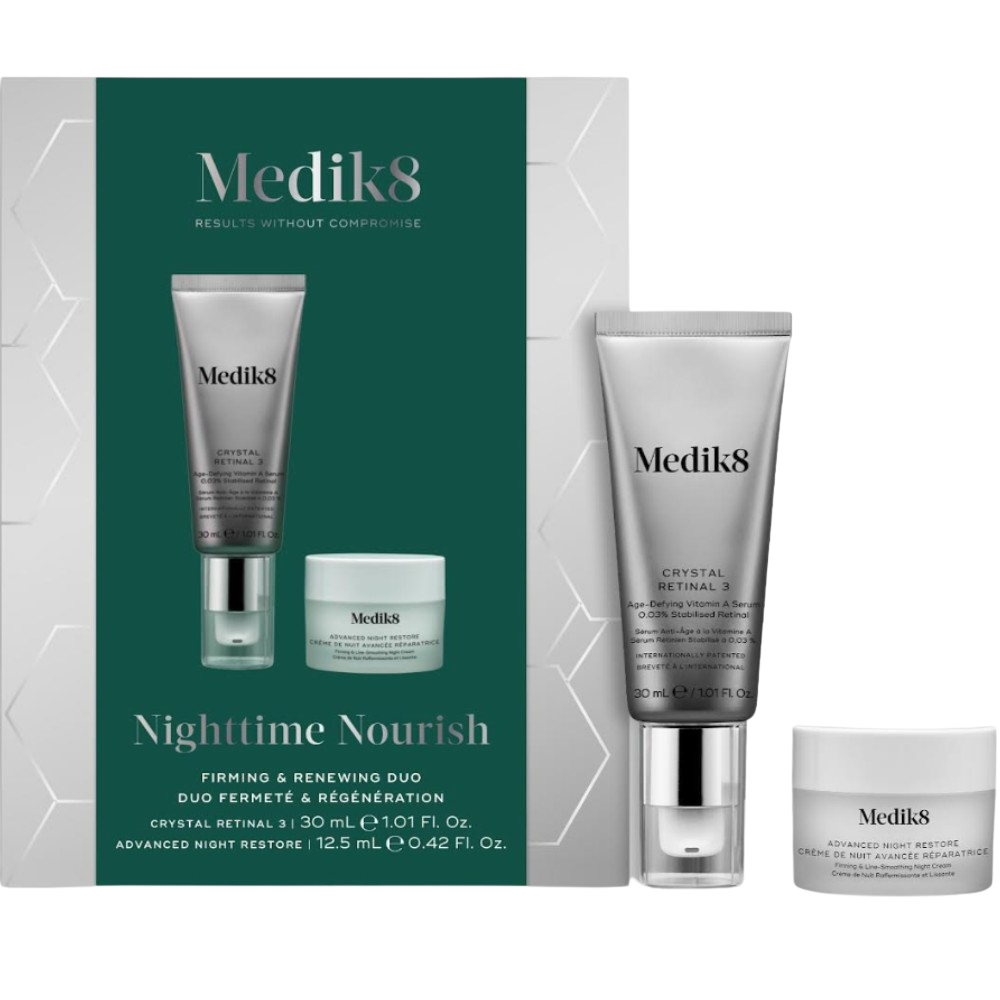
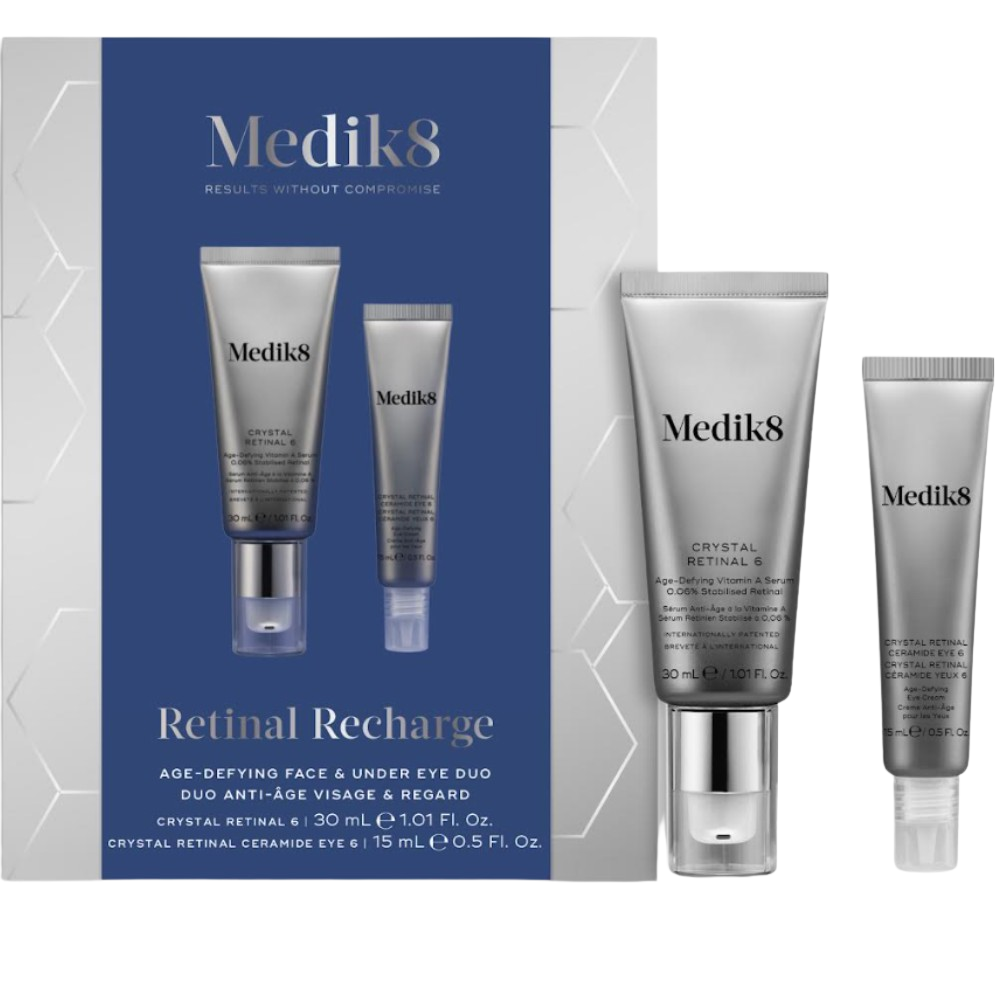
Similar search terms for Cocunat-Clinical-Retinal-regenerating
Top-Angebote
Products related to Cocunat-Clinical-Retinal-regenerating:



-
Is this a retinal detachment?
Without further information or a medical examination, it is not possible to definitively determine if this is a retinal detachment. Retinal detachment is a serious condition where the retina peels away from the underlying layers of the eye. Symptoms may include sudden flashes of light, floaters, and a curtain-like shadow over the field of vision. It is important to consult an eye care professional for a proper diagnosis and treatment if you suspect a retinal detachment. **
-
What is a retinal detachment?
A retinal detachment occurs when the retina, which is the light-sensitive tissue at the back of the eye, becomes separated from its underlying layers of support tissue. This separation can cause a sudden onset of symptoms such as floaters, flashes of light, or a curtain-like shadow over the field of vision. Retinal detachment is considered a medical emergency and requires prompt treatment to prevent permanent vision loss. Treatment typically involves surgery to reattach the retina and restore vision. **
-
What is a retinal burn?
A retinal burn is a type of eye injury that occurs when the retina, the light-sensitive tissue at the back of the eye, is damaged by exposure to intense light or radiation. This can happen from staring at the sun, looking directly at a bright light source, or from exposure to certain types of lasers. Symptoms of a retinal burn can include blurred vision, sensitivity to light, and seeing spots or dark areas in the field of vision. It is important to seek medical attention if you suspect you have a retinal burn, as it can lead to permanent vision loss if not treated promptly. **
-
Can you use regenerating salt as table salt?
No, regenerating salt is not intended for use as table salt. Regenerating salt, also known as water softener salt, is specifically designed for use in water softening systems to remove minerals like calcium and magnesium from hard water. It is not meant for consumption and may contain additives or impurities that make it unsuitable for use as table salt. It's important to use the appropriate type of salt for its intended purpose to ensure safety and effectiveness. **


What is the clinical correlate?
The clinical correlate refers to the relationship between the findings of a study or research and their implications for clinical practice. It involves understanding how the results of a study can be applied to real-world patient care, diagnosis, treatment, or management. Identifying the clinical correlate is essential for translating research findings into actionable insights that can improve patient outcomes and inform evidence-based practice in healthcare settings. **
What is a clinical examination?
A clinical examination is a thorough physical assessment of a patient's body to evaluate their overall health and detect any signs of illness or disease. It typically involves a healthcare provider using various techniques such as observation, palpation, percussion, and auscultation to gather information about the patient's symptoms and medical history. The results of a clinical examination help healthcare professionals make an accurate diagnosis and develop an appropriate treatment plan for the patient. **
Top-Angebote
Products related to Cocunat-Clinical-Retinal-regenerating:
-
What is clinical symptomatology?
Clinical symptomatology refers to the signs and symptoms that a patient presents with during a medical evaluation. These symptoms are subjective experiences reported by the patient, such as pain, fatigue, or dizziness. Signs, on the other hand, are objective findings that can be observed or measured by a healthcare provider, such as a rash, fever, or abnormal heart sounds. Together, the symptoms and signs help healthcare providers make a diagnosis and develop a treatment plan for the patient. **
-
What is a retinal image?
A retinal image is the image formed on the retina at the back of the eye. It is created when light enters the eye and is focused by the cornea and lens onto the retina, where it is converted into electrical signals that are sent to the brain via the optic nerve. The brain then interprets these signals to create the visual perception of the world around us. **
-
Is this a retinal detachment?
Without further information or a medical examination, it is not possible to definitively determine if this is a retinal detachment. Retinal detachment is a serious condition where the retina peels away from the underlying layers of the eye. Symptoms may include sudden flashes of light, floaters, and a curtain-like shadow over the field of vision. It is important to consult an eye care professional for a proper diagnosis and treatment if you suspect a retinal detachment. **
-
What is a retinal detachment?
A retinal detachment occurs when the retina, which is the light-sensitive tissue at the back of the eye, becomes separated from its underlying layers of support tissue. This separation can cause a sudden onset of symptoms such as floaters, flashes of light, or a curtain-like shadow over the field of vision. Retinal detachment is considered a medical emergency and requires prompt treatment to prevent permanent vision loss. Treatment typically involves surgery to reattach the retina and restore vision. **
Similar search terms for Cocunat-Clinical-Retinal-regenerating
-
Medik8 Crystal Retinal Ceramide Eye Antiaging 15mL Retinal 3An eye contour cream. Awaken brighter, smoother, younger-looking eyes—overnight. Reduces crow’s feet and fine lines. Visibly brightens dark circles. De-puffs and hydrates the delicate eye area. Clinically proven to deliver results in 1 use. Contains next-gen retinal, 11x faster than standard retinol.32,21 £*Shipping: 4,07 £Secure redirect to the provider
-
Isdinceutics Retinal Intense Serum 50mLA facial serum for wrinkles and signs of ageing. Formulated with retinal base, being a biphasic serum at night. With a fluid texture, it is quickly absorbed, adapting to any type of skin. Use as part of the night routine. Place 2 pumps in the palm of the hands and mix both phases until you achieve a homogeneous color.44,55 £*Shipping: 5,16 £Secure redirect to the provider
-
What is a retinal burn?
A retinal burn is a type of eye injury that occurs when the retina, the light-sensitive tissue at the back of the eye, is damaged by exposure to intense light or radiation. This can happen from staring at the sun, looking directly at a bright light source, or from exposure to certain types of lasers. Symptoms of a retinal burn can include blurred vision, sensitivity to light, and seeing spots or dark areas in the field of vision. It is important to seek medical attention if you suspect you have a retinal burn, as it can lead to permanent vision loss if not treated promptly. **
-
Can you use regenerating salt as table salt?
No, regenerating salt is not intended for use as table salt. Regenerating salt, also known as water softener salt, is specifically designed for use in water softening systems to remove minerals like calcium and magnesium from hard water. It is not meant for consumption and may contain additives or impurities that make it unsuitable for use as table salt. It's important to use the appropriate type of salt for its intended purpose to ensure safety and effectiveness. **
-
What is the clinical correlate?
The clinical correlate refers to the relationship between the findings of a study or research and their implications for clinical practice. It involves understanding how the results of a study can be applied to real-world patient care, diagnosis, treatment, or management. Identifying the clinical correlate is essential for translating research findings into actionable insights that can improve patient outcomes and inform evidence-based practice in healthcare settings. **
-
What is a clinical examination?
A clinical examination is a thorough physical assessment of a patient's body to evaluate their overall health and detect any signs of illness or disease. It typically involves a healthcare provider using various techniques such as observation, palpation, percussion, and auscultation to gather information about the patient's symptoms and medical history. The results of a clinical examination help healthcare professionals make an accurate diagnosis and develop an appropriate treatment plan for the patient. **
* All prices are inclusive of VAT and, if applicable, plus shipping costs. The offer information is based on the details provided by the respective shop and is updated through automated processes. Real-time updates do not occur, so deviations can occur in individual cases. ** Note: Parts of this content were created by AI.